


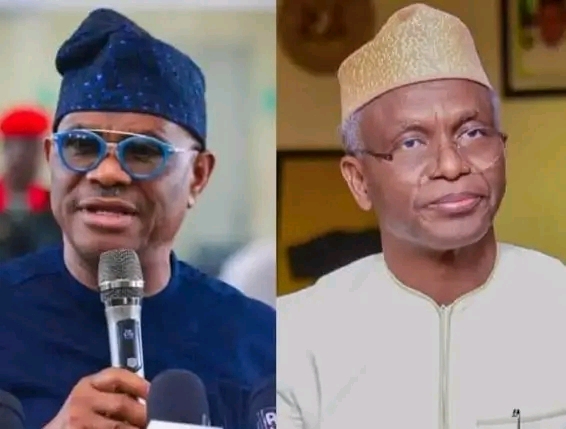
Assessing whether Nasir El-Rufai or Nyesom Wike performed “better” as FCT Minister is complex, as both had different tenures, priorities, and faced distinct challenges.
However, public perception and reported policies offer some insights.
Nasir El-Rufai’s Tenure (2003-2007):
- Focus on Master Plan Restoration: El-Rufai is widely known for his rigorous enforcement of the Abuja Master Plan. This involved significant demolitions of structures built on illegal allocations or in violation of planning regulations. While controversial and causing hardship for some, supporters argue it brought sanity and order back to the city’s development.
- Abuja Geographic Information System (AGIS): He spearheaded the establishment of AGIS, which computerized land records and information. This was a crucial step in improving land administration, transparency, and revenue generation.
- Civil Service Reforms: El-Rufai also undertook reforms within the FCT administration, aiming to improve efficiency and reduce corruption.
Nyesom Wike’s Current Tenure (August 2023 – Present):
- Infrastructure Development: Wike has heavily prioritized and initiated numerous infrastructure projects, particularly roads and transport systems. He has commissioned several projects and pledged to continue with extensive reforms in this sector.
- Renewed Hope Agenda Domestication: President Bola Tinubu has commended Wike for “domesticating the Renewed Hope Agenda” in the FCT, indicating a focus on visible impact and development.
- Controversies and Criticisms:
Wike’s tenure has also faced criticism, including allegations of questionable land deals, a focus seen by some as being overly on “land-focused governance,” and concerns about the impact of his projects on ordinary residents and public transport. Some, like Senator Ireti Kingibe, have argued that his projects don’t directly benefit the “bulk of FCT residents” and that he has an “emperor mentality.”
Comparing the two:
- Perception: There’s a notable public sentiment, expressed by figures like Senator Ireti Kingibe, that El-Rufai performed better, especially in terms of addressing the needs of common residents and establishing a sense of order. El-Rufai’s policies, particularly the demolitions, were seen by many as a necessary, albeit harsh, correction.
- Approach: El-Rufai’s approach was characterized by a strict adherence to planning and a willingness to make unpopular decisions for long-term urban development.
Wike’s focus appears more on rapid infrastructure delivery and visible projects.
- Timeframe: It’s important to note that El-Rufai had a full four-year term, while Wike is still relatively early in his tenure. This difference in time allows for a more complete assessment of El-Rufai’s impact.
Ultimately, “better” is subjective and depends on the criteria used. If the criterion is bringing order and adherence to the master plan, El-Rufai is often lauded. If the criterion is rapid infrastructure development and project completion, Wike is making significant strides.
However, concerns about the inclusiveness and long-term impact of Wike’s projects on all residents have been raised.
Native Reporters
