


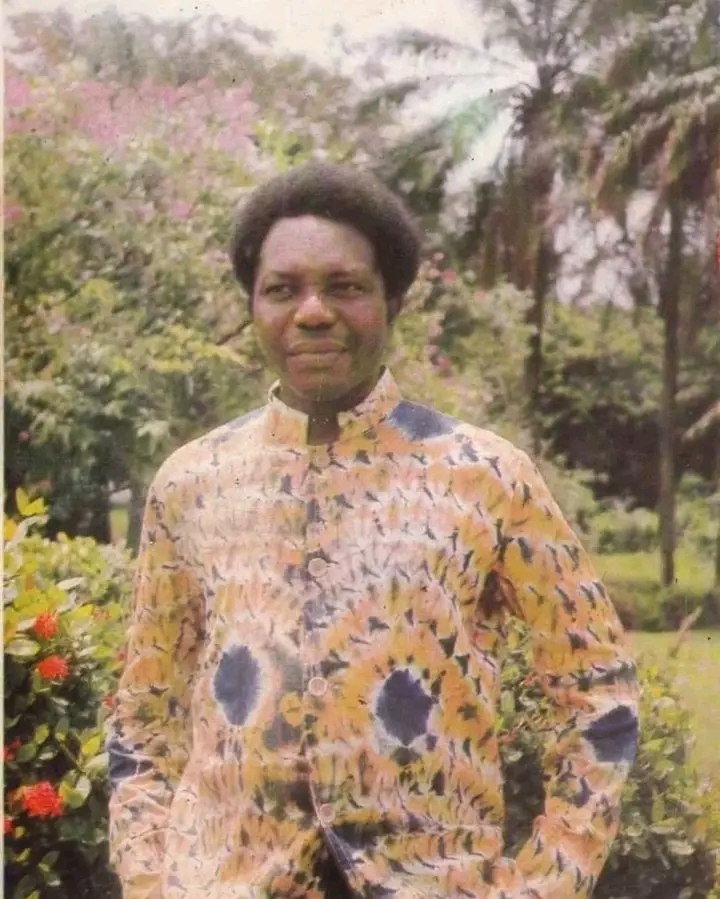
Professor Akin Euba (1935–2020) was a distinguished Nigerian pianist, composer, and musicologist whose pioneering work reshaped the landscape of African classical music. Celebrated as the father and inventor of African Pianism, he forged a groundbreaking path by blending traditional Yoruba musical idioms with Western classical forms, creating a distinct and authentic African approach to piano composition and performance.
Early Life and Education
Born in Lagos in 1935, Akin Euba displayed musical talent from an early age, mastering the piano and developing an interest in the intersection between African traditional music and Western classical traditions. His passion led him to formal music studies both in Nigeria and abroad, where he honed his skills in piano performance, composition, and ethnomusicology.
Innovations in African Pianism
Euba’s most enduring contribution was the development of African Pianism, a compositional style that integrates African rhythmic structures, melodic patterns, and storytelling elements into piano music. This innovation bridged the gap between oral African traditions and written classical notation, allowing African heritage to flourish within concert halls and academic settings worldwide. His works often drew heavily from Yoruba traditional music, particularly its percussive and polyrhythmic qualities.
Academic and Professional Career
Beyond his career as a performer and composer, Professor Euba was a respected academic. He served as a staff member at the Institute of African Studies, University of Ife (now Obafemi Awolowo University), where he contributed to the scholarly study of African music. His academic work further extended to ethnomusicological research, where he explored how African traditional forms could be preserved, adapted, and incorporated into contemporary music.
Recognition and Legacy
Professor Akin Euba is regarded as one of Africa’s foremost pianists and among Nigeria’s most scholarly voices in music. His contributions elevated African art music on the global stage, inspiring composers, performers, and researchers to embrace and reinterpret African musical heritage. Even after his passing in 2020, his influence continues to shape African music education, performance, and composition, ensuring that African Pianism remains a vital and evolving art form.
